|
Scripture: Genesis 33:1-20
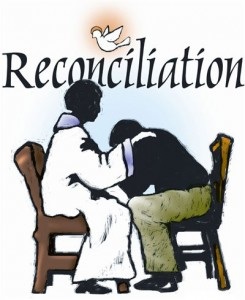
Observation: Jacob and Esau embrace one another as brothers, reconciling their differences of the past for the relationship of the present. Application: When I served at Grace Chinese Lutheran Church in NYC, I had to get over myself when it came to the generosity of others. People wanted to give gifts of money, food, time, proximity, trinkets, etc. Attempting to be humble I would give the money back to the church, or find some way to try and deflect the generosity that was being shown to me. Pastor Abraham Lu taught me that this is insulting to the gift giver. Essentially, I was telling them that their gift was not good enough to be received by me. Jacob reframes this for his brother Esau: "Please take this gift I have brought you, for God has been very gracious to me. I have more than enough.” And because Jacob insisted, Esau finally accepted the gift. These gifts are a work toward reconciliation of their broken relationship as brothers. The next time someone offers you a gift, think about what they are extending to you....money, food, time, proximity, trinkets.....or is it a way of healing brokenness between you? Could it be an extension of their generosity to pour out love upon you? Jacob and Esau experienced the gift of reconciliation and a healing of their families. Prayer: Lord, you gave us the greatest gift in Jesus Christ, through whom we experience reconciliation and healing, help us to be generous toward one another in our lives so that we might extend what you have given us....forgiveness, mercy, healing and grace.

0 Comments
Scripture: Genesis 32:3-21
Observation: Jacob is sending gifts to his brother Esau as a way of reconciling their differences (Esau wants to kill Jacob because he stole his birthright and inheritance). Jacob, now, is a different person, transformed from his meeting with the Angel (God). After wrestling with God, Jacob is seeking reconciliation with his brother. Application: Man, this hits home. It always feels like I am attempting to reconcile with my brothers. Instead of sending gifts we play nice, or make illusions to having a relationship that does not really exist. Sending gifts can seem trite as a way of reconciling but knowing Jacob's heart (now), it seems genuine. The gifts he sends are a lot! Much like saying "I would give anything to have a genuine relationship with you again." Any broken relationships you want to send gifts for reconciliation? Ever muttered those words ""I would give anything to have a genuine relationship with you again."? Prayer: Lord of reconciliation, help us to approach one another with a true heart for relationship, and to see one another as brothers in sisters through you. Scripture: Hebrews 13:20-25
Observation: The preacher concludes his sermon with a blessing, but a blessing with a preacher's zeal. A benediction still used in the church today. Now may the God of peace-- who brought up from the dead our Lord Jesus, the great Shepherd of the sheep, and ratified an eternal covenant with his blood-- may he equip you with all you need for doing his will. May he produce in you, through the power of Jesus Christ, every good thing that is pleasing to him. All glory to him forever and ever! Amen. Application: I love these words. I could marinate in them everyday. What great words to a broken church and its leaders. Yet it is God who produces in us, it is God who equips us with all we need, it is God who gets all the glory! These are powerful words to be sure. They produce a confidence in faith that I need to hear today. They are words of assurance in times of struggle, words of comfort for a weary leader, words of conviction in times of doubt. Prayer: Lord thank you for preaching and preachers who encourage and equip us with the power of Jesus Christ! - Amen! Scripture: Hebrews 13:1-19
Observation: The preacher of Hebrews ends his sermon on a high note with practical instructions of faith. "Keep on loving each other." Grounded in God's love sharing this love to one another is the only way to overcome the fractured community and prepare for God's healing. Then, the reminder comes; 'Don't forget to show hospitality to strangers, for some who have done this have entertained angels without realizing it." If the community is to grow, then imitating Christ's concern for the stranger must be a practice within the community of faith. Application: I cannot withhold tears when looking at the above picture. Declan (my soon to be 3 year old) is sitting in my office as I type this. I look over at him and could not bear the loss of his life. The charge to show hospitality to the stranger is real and neglecting this aspect of our faith in regards to the least and most vulnerable in our society is a life and death proposition. This 3 year old toddler washed up on the shores in Europe because of the mass exodus from places of war and torment like Syria. What does it mean to welcome the stranger? What might it mean to welcome refugees? How does our faith guide us in this process? Pope Francis instructed his communities of faith (Churches, monasteries, convents etc.) to welcome in families in crisis. I think he did so because he can see angels in the faces of these refugees. The preacher instructs his community of faith to welcome the stranger not because they can see the face of angels in the stranger but so that BY FAITH they might do so after practicing this radical hospitality. Prayer: Lord, help us to entertain angels even when we do not realize it. Be with the refugees who are in deep crisis and move us by faith to respond as you might have us see Christ in others. Scripture: Hebrews 12:18-24
Observation: The preacher comes to his concluding arguments of his sermon. He offers that the community of faith is rejecting the grace God so freely offers through Jesus. "Be careful that you do not refuse to listen to the One who is speaking. For if the people of Israel did not escape when they refused to listen to Moses, the earthly messenger, we will certainly not escape if we reject the One who speaks to us from heaven!" All of this will shake out, just like God shook the earth when he spoke at mount Sinai. “Once again I will shake not only the earth but the heavens also.” This means that all of creation will be shaken and removed, so that only unshakable things will remain. Since we are receiving a Kingdom that is unshakable, let us be thankful and please God by worshiping him with holy fear and awe. The shaking out of faith is a difficult to be sure. Like a prophetic and loving parent, the preacher offers the choice of continuous rejection of grace or a mere accepting of that grace. Application: There have been times when the shaking of faith is necessary. It has happened to me a time or two. It can come to mean a new revelation - like discovering that the 24 hour day wasn't created until the fourth day of creation (so how can creation have happened in 6 days), or it can be a shaking out of new disciplines for digging in God's word or new healthy habits. In teaching the heptagon (the 7 signs of health) I am reminded of excretion being a sign of health. The preacher tries to teach the excretion or removal of unhealthy toxins as part of the healthy system. Today I sit in reflection of the 7 signs of life and the shaking of faith, and the mere acceptance of God's grace. Prayer: Lord thank you for the prophets among us that point us to your grace, help us hear your word as it shakes out what we need to hear....Let us be thankful and please God by worshipping him with holy fear and awe. Scripture: Hebrews 11::23-28
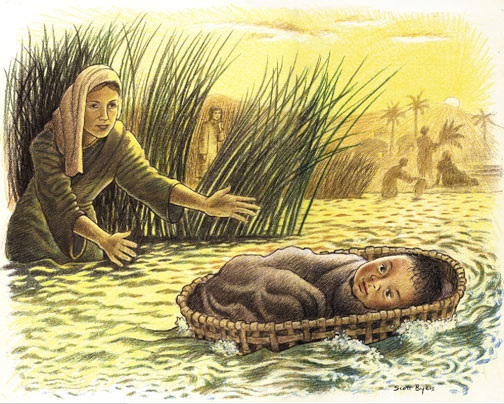
Observation: Another, 'by faith' accomplishments of Moses. What stands out to me is the statement "It was by faith that Moses left the land of Egypt, not fearing the king’s anger. He kept right on going because he kept his eyes on the one who is invisible." The connection between this verse and the beginning of this chapter (Faith is the confidence that what we hope for will actually happen; it gives us assurance about things we cannot see.) Moses Kept his eyes on God (and God's mission), even when it meant going against the King's anger. Application: The end of Christendom is being mourned by many. Maybe the risk of faith no longer involved having to 'fear the kings anger' because the king (or the state) has approved the message until recently. Moses refused to be called the son of Pharaoh's daughter. The life of faith often has to shed off the comfort of privilege and power, much like Moses opting for the suffering of his people than his place at the palace. Yet, the faith of Moses offers us an opportunity to reclaim our focus on the once we cannot see....confidence in the promises of the kingdom rather than the comforts of the state. Prayer: Lord help us to focus on you and the mission of your church, especially when we are invited to shed the things that bring us comfort. Scripture: Hebrews 11:17-22
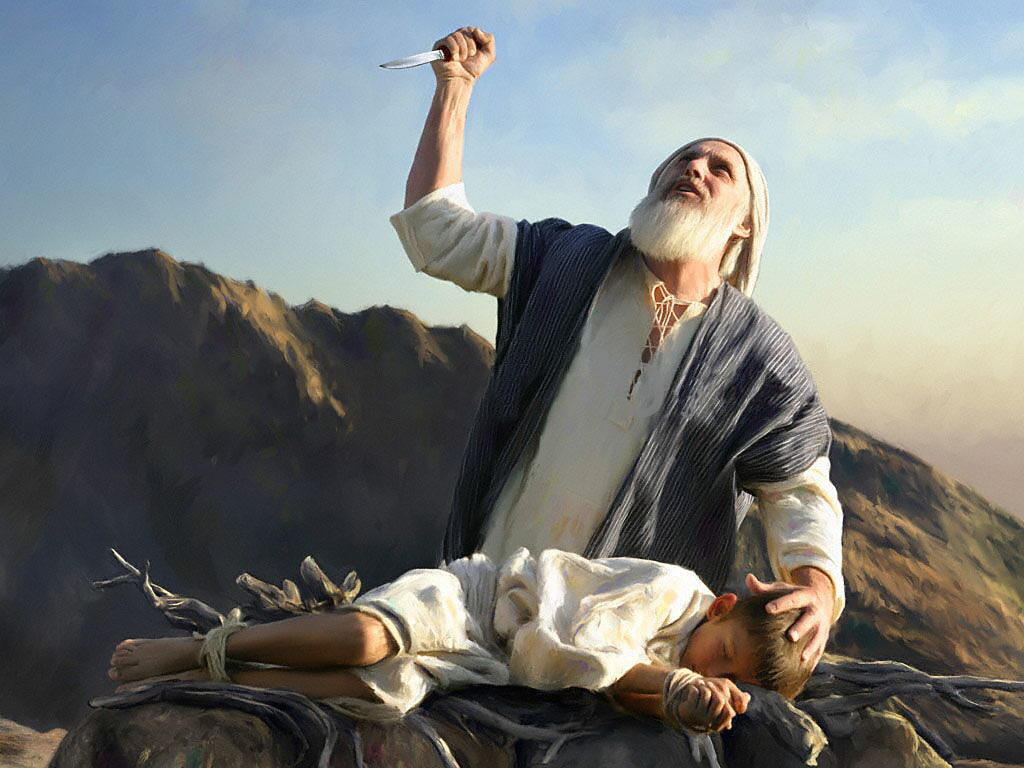
Observation: It's a bit much to ask your servant to kill his own son (oh wait, God knows what this will be like). I love that the preacher in Hebrews articulates Abrahams faith and does so by articulating the faith of Issac, Jacob, and Joseph....the descendants he was promised. their faithfulness is a reflection of Abraham. This section starts to read like a genealogy or a hall of fame of faith. As a parent, I could never imagine being asked to hand my children over, even if God asked. Abraham's faith was strong enough to trust in the promise that God would give him descendants too many to count through Issac, the one he held his knife over. Reasoning that God might bring him back from the dead. In a sense, the preacher in Hebrews is saying that Abraham trusted in the resurrection of the dead before we knew that was a thing. Application: I have had relationships cut off from me, from my own stubbornness or the desire of the other person not wanting me in their life. The promise of resurrection is one of bodily resurrection for sure (apostle's creed), but it is also one that God can bring reconciliation and wholeness to a dead relationship. I have had that experience too! As I walk with people who are struggling with brokenness in their relationships, I hold to the promise of resurrection in their lives and hope to see the fruit of that reconciliation as we see Issac, Jacob, and Joseph imitate the faithfulness of their ancestor Abraham. Prayer: Lord thank you for the faithfulness of your servant Abraham and the blessing of his descendants. |
Archives
April 2016
Categories |
RSS Feed